Embark on a journey into the realm of futuristic architecture concepts for smart cities, where innovation meets sustainability to shape the urban landscape of tomorrow.
Delve deeper into the realm of cutting-edge designs and technologies that are revolutionizing urban living as we know it.
Futuristic Architecture Concepts for Smart Cities
Futuristic architecture plays a crucial role in the development of smart cities, as it combines innovative design with advanced technology to create sustainable urban environments. By incorporating cutting-edge concepts and materials, futuristic architecture can revolutionize the way we live, work, and interact within cities.
Enhancing Sustainability
Futuristic architectural designs for smart cities focus on enhancing sustainability by incorporating energy-efficient systems, green spaces, and eco-friendly materials. Buildings are designed to maximize natural light, optimize energy consumption, and reduce carbon footprint. For example, the Bosco Verticale in Milan features vertical forests that not only provide a visually stunning facade but also improve air quality and biodiversity in the urban landscape.
Innovative Designs
Innovative futuristic architectural designs for smart cities include structures that can adapt to changing environmental conditions, such as self-healing materials and flexible facades. The Solar Ark in Japan, with its photovoltaic panels and shape inspired by a ship's hull, demonstrates how architecture can integrate renewable energy sources seamlessly into the urban fabric.
Additionally, projects like the Lowline in New York City showcase how abandoned underground spaces can be transformed into vibrant public parks using advanced lighting and irrigation systems.
Integration of Technology in Architecture
Technology plays a crucial role in shaping the future of architecture, especially in the context of smart cities. By integrating cutting-edge technologies such as IoT, AI, and automation into architectural designs, we can create innovative solutions that enhance the functionality, sustainability, and efficiency of urban spaces.
Role of Data Analytics and Sensors
Data analytics and sensors are essential components in the development of smart buildings within smart cities. These technologies enable architects and urban planners to gather real-time data on various aspects of a building, such as energy consumption, air quality, and occupancy levels.
By analyzing this data, they can optimize building performance, reduce operational costs, and create healthier environments for occupants.
Responsive Architecture and Urban Spaces
Responsive architecture is a design approach that allows buildings and urban spaces to adapt to changing environmental conditions and user needs. By incorporating sensors, actuators, and other smart technologies, architects can create dynamic structures that respond to factors like sunlight, temperature, and user preferences.
This not only improves the comfort and usability of buildings but also enhances the overall sustainability and resilience of urban spaces.
Sustainable Urban Development
Futuristic architecture plays a crucial role in promoting sustainable urban development by incorporating green spaces and eco-friendly designs into urban areas. These innovative architectural concepts not only enhance the aesthetic appeal of cities but also contribute to environmental conservation and overall well-being of the residents.
Promotion of Green Spaces
Vertical gardens and green roofs are becoming increasingly popular in smart city architecture as they help mitigate the heat island effect, reduce energy consumption, and improve air quality. These green spaces also provide habitats for birds and insects, creating a more biodiverse urban environment.
By integrating such features into buildings, futuristic architecture contributes to a healthier and more sustainable urban landscape.
Use of Renewable Energy Sources and Eco-conscious Materials
Incorporating renewable energy sources such as solar panels and wind turbines into building designs is a common practice in futuristic architecture. These energy-efficient solutions not only reduce the carbon footprint of buildings but also help in achieving energy independence and resilience
Additionally, the use of eco-conscious materials like recycled steel, bamboo, and reclaimed wood in construction projects further enhances sustainability and minimizes environmental impact.
Exploration of Vertical Gardens and Green Roofs
Vertical gardens and green roofs are not only visually appealing but also serve practical purposes in smart city architecture. Vertical gardens help in reducing air pollution, absorbing CO2 emissions, and providing natural insulation, while green roofs help in stormwater management, biodiversity conservation, and urban agriculture.
By incorporating these green elements into architectural designs, cities can create a more sustainable and livable environment for their inhabitants.
Mobility and Infrastructure Design
In the realm of futuristic architecture for smart cities, the optimization of transportation systems plays a crucial role in ensuring efficient mobility and sustainable urban development. The integration of smart infrastructure elements such as electric vehicle charging stations and bike-sharing programs is key to promoting eco-friendly modes of transportation and reducing reliance on traditional fossil fuels.
Additionally, the concept of mixed-use developments and walkable neighborhoods is fundamental in enhancing the overall livability and accessibility of urban spaces.
Optimizing Transportation Systems
In order to optimize transportation systems within smart cities, futuristic architecture focuses on designing interconnected networks that prioritize pedestrian-friendly pathways, dedicated lanes for public transport, and efficient traffic flow management. By utilizing advanced technologies such as real-time traffic monitoring systems, autonomous vehicles, and smart traffic lights, cities can achieve seamless movement of people and goods while minimizing congestion and carbon emissions.
Smart Infrastructure Integration
The integration of smart infrastructure components like electric vehicle charging stations and bike-sharing programs is essential for promoting sustainable modes of transportation within smart cities. By strategically placing charging stations at key locations throughout the urban landscape and implementing bike-sharing programs with user-friendly mobile apps, cities can encourage the adoption of electric vehicles and cycling as viable alternatives to traditional cars.
This not only reduces greenhouse gas emissions but also enhances overall air quality and public health.
Mixed-Use Developments and Walkable Neighborhoods
Futuristic urban planning emphasizes the concept of mixed-use developments and walkable neighborhoods to create vibrant and inclusive urban spaces. By combining residential, commercial, and recreational facilities within close proximity, mixed-use developments promote a more balanced and sustainable lifestyle for residents.
Walkable neighborhoods, on the other hand, prioritize pedestrian infrastructure such as wide sidewalks, green spaces, and safe crossing points to encourage walking and cycling as primary modes of transportation. This not only reduces reliance on cars but also fosters a sense of community and social interaction among residents.
Final Wrap-Up
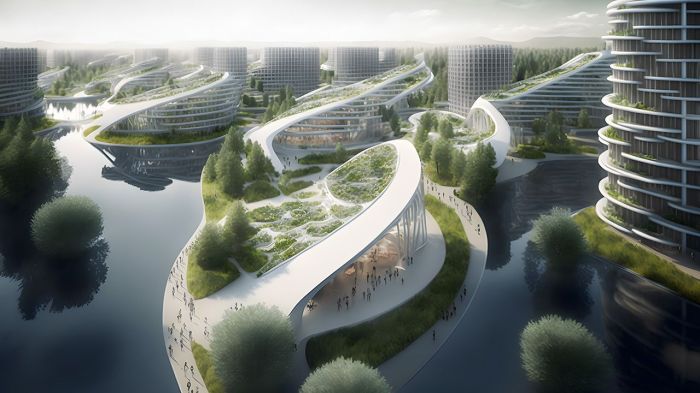
As we conclude our exploration of futuristic architecture concepts for smart cities, we are left with a vision of a future where sustainable, technologically advanced urban spaces redefine the way we live and interact with our environment.
FAQ Summary
How can futuristic architecture contribute to sustainable development in smart cities?
Futuristic architecture can promote sustainability through the use of eco-friendly materials, green spaces, and renewable energy sources.
What role does data analytics play in creating smart buildings?
Data analytics helps optimize building performance, energy efficiency, and overall resource management within smart buildings.
Are vertical gardens and green roofs common features in smart city architecture?
Yes, vertical gardens and green roofs are increasingly integrated into futuristic architectural designs to enhance sustainability and urban aesthetics.






![[16469] Low Energy Building Design - ppt download](https://hosting.pojoksatu.id/wp-content/uploads/2025/10/Chapter-6-Doors-and-Windows-pdf-44-2048-120x86.jpg)