As Architecture and structural engineering differences take center stage, this opening passage beckons readers into a world crafted with good knowledge, ensuring a reading experience that is both absorbing and distinctly original.
The discussion will delve into how architectural design and structural engineering intersect and diverge, shedding light on the nuances of each discipline.
Architectural Design versus Structural Engineering
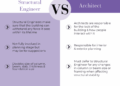
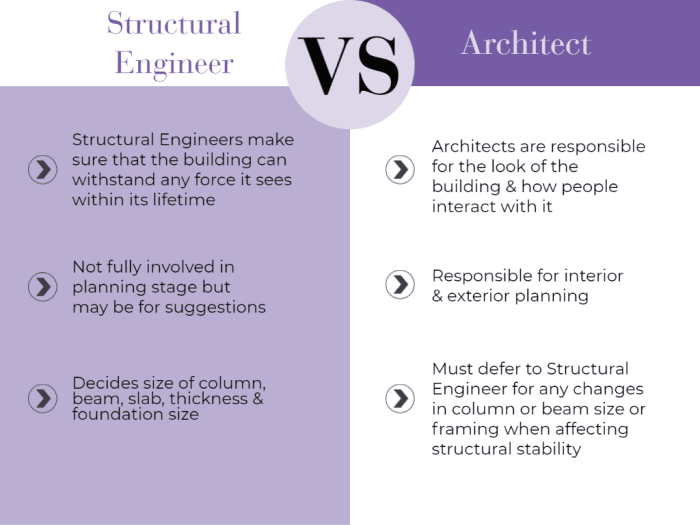
Architectural design focuses on the aesthetics and functionality of a building, including the layout, style, and overall design concept. Architects work on creating visually appealing and practical spaces for various purposes, considering factors such as light, space, and materials.Structural engineers, on the other hand, are responsible for ensuring the safety and stability of the building.
They work on designing the structural elements that support the building, such as beams, columns, and foundations. Structural engineers also consider factors like wind loads, earthquakes, and other external forces that may affect the building's stability.
Collaboration in Construction Projects
In construction projects, architectural design and structural engineering work together closely to create buildings that are both visually appealing and structurally sound. Architects and structural engineers collaborate from the early stages of a project to ensure that the design vision aligns with the structural requirements.
- Architects provide the initial design concept, considering the aesthetics and functionality of the building.
- Structural engineers then analyze the design to ensure that it can be built safely and withstand various loads and forces.
- Collaboration continues throughout the project, with architects and structural engineers working together to make any necessary adjustments to the design to meet both aesthetic and structural requirements.
Differences in Education and Training
In order to become an architect or a structural engineer, individuals must undergo specific educational and training requirements tailored to each profession.
Educational Requirements for Architects
Architects typically need to complete a professional degree in architecture from an accredited program. This can be a Bachelor of Architecture (B.Arch) or a Master of Architecture (M.Arch) degree. In addition to the degree, aspiring architects must also complete a certain number of internship hours under a licensed architect and pass the Architect Registration Examination.
Typical Educational Path for Becoming a Structural Engineer
On the other hand, structural engineers usually pursue a bachelor's degree in civil engineering or architectural engineering. Some may choose to continue their education with a master's degree in structural engineering. Similar to architects, aspiring structural engineers must also gain practical experience through internships or entry-level positions in the field.
Comparison of Coursework between Architecture and Structural Engineering Programs
The coursework for architecture programs often focuses on design principles, history of architecture, building structures, construction materials, and architectural technology. On the other hand, structural engineering programs emphasize topics such as structural analysis, mechanics of materials, structural design, and earthquake engineering.
While there may be some overlap in coursework related to building design and construction, the specific focus and depth of knowledge differ between the two disciplines.
Roles in Construction Projects
Architects and structural engineers play crucial roles in construction projects, each contributing unique expertise to ensure the successful completion of a building.
Architects’ Contribution to the Construction Process
Architects are responsible for the overall design and aesthetic appeal of a building. They work closely with clients to understand their needs and preferences, translating them into functional and visually pleasing designs. Architects also consider factors such as building codes, zoning regulations, and environmental impact to create sustainable and safe structures.
- Developing initial design concepts and sketches
- Creating detailed construction drawings and specifications
- Collaborating with clients, contractors, and other stakeholders
- Overseeing the construction process to ensure design intent is maintained
Role of Structural Engineers in Ensuring Safety and Stability
Structural engineers are responsible for ensuring that a building is structurally sound and can withstand various forces and loads
- Performing structural analysis and calculations
- Designing structural elements such as beams, columns, and foundations
- Conducting site visits and inspections to assess construction progress
- Collaborating with architects to integrate structural requirements into the design
Collaboration between Architects and Structural Engineers
Architects and structural engineers work closely together throughout the different phases of a construction project to ensure that the final building meets both aesthetic and structural requirements. They exchange ideas, feedback, and information to create a harmonious balance between form and function, beauty and safety.
- Initial design phase: Architects and structural engineers collaborate to develop a concept that is both visually appealing and structurally feasible.
- Design development phase: Structural engineers provide input on structural systems and materials that will meet the project's requirements.
- Construction phase: Architects and structural engineers work together to address any design modifications or structural challenges that may arise during construction.
- Final inspection phase: Both professionals ensure that the completed building meets all safety and design standards before occupancy.
Design Considerations and Constraints
When it comes to designing buildings, architects and structural engineers must carefully consider various factors to ensure the safety, functionality, and aesthetics of the structure. While architects focus on the overall design and appearance of the building, structural engineers are responsible for ensuring that the structure can withstand the forces and loads it will be subjected to.
Key Design Considerations for Architects
- Functionality: Architects prioritize creating spaces that are functional and meet the needs of the occupants.
- Aesthetics: Architectural design focuses on the visual appeal of the building and how it fits into its surroundings.
- Sustainability: Architects consider environmental impact and energy efficiency in their designs.
- Building Codes: Architects must adhere to building codes and regulations to ensure the safety and legality of the structure.
Constraints for Structural Engineers
- Load-Bearing Capacity: Structural engineers must design the building to support the weight of the structure, occupants, and any additional loads.
- Material Limitations: Engineers must work within the constraints of available materials, considering factors like strength, durability, and cost.
- Site Conditions: Structural engineers must account for the geological and environmental conditions of the site when designing the foundation and structure.
- Budget and Time Constraints: Engineers must balance design considerations with budget and time constraints to deliver a cost-effective and timely project.
Influence of Architectural Design on Structural Engineering
Architectural design choices can greatly influence structural engineering decisions. For example, an architect's design for a building with large open spaces and extensive use of glass will require structural engineers to design innovative solutions to support these features while maintaining structural integrity.
Collaboration between architects and structural engineers is crucial to ensure that design choices are both aesthetically pleasing and structurally sound.
Outcome Summary
In conclusion, the intricate dance between architectural design and structural engineering is vital in constructing safe and aesthetically pleasing buildings. This exploration has showcased the significance of both disciplines and their collaborative efforts in shaping our built environment.
Detailed FAQs
What is the primary focus of architectural design?
Architectural design primarily focuses on the aesthetics and functionality of a building, ensuring it meets the needs of its occupants while also being visually appealing.
What are the key responsibilities of structural engineers in building projects?
Structural engineers are responsible for designing the structural systems that support buildings, ensuring they are safe, stable, and can withstand various loads and environmental conditions.
How do architects and structural engineers collaborate during different phases of a project?
Architects and structural engineers collaborate closely throughout a project, with architects focusing on the overall design and aesthetics while structural engineers ensure the structural integrity and safety of the building.







![[16469] Low Energy Building Design - ppt download](https://hosting.pojoksatu.id/wp-content/uploads/2025/10/Chapter-6-Doors-and-Windows-pdf-44-2048-120x86.jpg)