Embarking on a journey through the realm of Building Envelope Innovations from Leading Firms, we delve into the pivotal role played by these advancements in shaping the landscape of modern construction. From redefining energy efficiency to pushing the boundaries of design, these innovations are revolutionizing the way we build.
As we navigate through the intricacies of various materials, sustainability practices, technological advancements, and inspiring case studies, a tapestry of creativity and progress unfolds before us, showcasing the transformative power of cutting-edge building envelope solutions.
Overview of Building Envelope Innovations
A building envelope refers to the physical separation between the interior and exterior environments of a building, including the walls, roof, windows, and foundation. It plays a crucial role in providing protection from external elements such as weather, noise, and pollutants, while also helping to maintain indoor comfort levels.
Building envelope innovations focus on developing new technologies and materials to enhance the performance and efficiency of these structures. By improving the thermal resistance, air tightness, and moisture control of the building envelope, energy consumption can be reduced, leading to lower operating costs and a smaller environmental footprint.
Role of Building Envelope Innovations in Improving Energy Efficiency
Building envelope innovations are key to improving energy efficiency in buildings by minimizing heat loss and gain. This is achieved through the use of advanced insulation materials, high-performance windows, and efficient air sealing techniques. By reducing the demand for heating and cooling, buildings can operate more sustainably and cost-effectively.
Leading Firms Driving Advancements in Building Envelope Technology
Several leading firms in the construction industry are at the forefront of driving advancements in building envelope technology. Through research and development initiatives, these firms are continuously exploring new materials, designs, and construction methods to create high-performance building envelopes that meet the demands of modern sustainable construction practices.
Types of Building Envelope Innovations
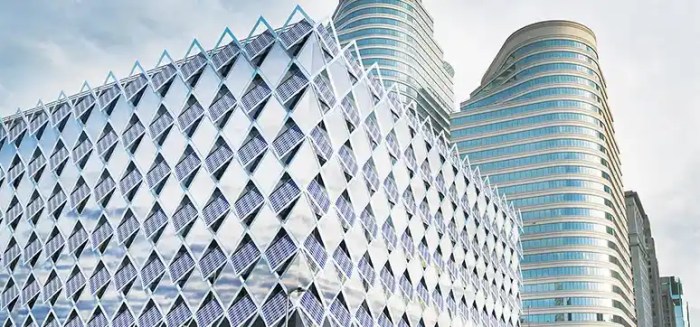
When it comes to building envelope innovations, a variety of materials and design techniques are used to enhance performance and sustainability. Let's explore some of the key innovations in modern building envelopes.
Materials Used in Modern Building Envelopes
- High-Performance Insulation: Materials like spray foam insulation, aerogel, and vacuum insulated panels are being used to improve thermal resistance and reduce energy consumption.
- Sustainable Cladding: Green materials such as reclaimed wood, bamboo, and recycled metal are becoming popular choices for cladding systems, offering durability and environmental benefits.
- Smart Glass Technologies: Dynamic glass that can adjust tint levels based on sunlight exposure, and electrochromic glass that can change opacity, are revolutionizing the way windows are used in building envelopes.
Innovative Design Techniques for Building Envelopes
- Biophilic Design: Incorporating natural elements like plants and natural light into the building envelope not only enhances aesthetics but also improves occupant well-being and productivity.
- Parametric Design: Using advanced software to optimize building envelope shapes and configurations for better thermal performance, daylighting, and ventilation.
- Adaptive Facades: Facade systems that can respond to external conditions, such as sun angle and wind speed, to optimize energy efficiency and indoor comfort.
Comparison of Traditional vs. Advanced Building Envelope Systems
- Traditional Systems: Typically consist of materials like brick, concrete, and glass with standard insulation levels, offering limited thermal performance and energy efficiency.
- Advanced Systems: Utilize cutting-edge materials, design techniques, and technologies to achieve superior thermal performance, durability, and sustainability, setting new standards for building envelope design.
Sustainable Practices in Building Envelopes
Building envelope design plays a crucial role in determining the sustainability of a building. Leading firms are incorporating various sustainability initiatives in their building envelope designs to reduce environmental impact and increase energy efficiency.
Environmental Impact of Different Building Envelope Materials
Building envelope materials have a significant impact on the environment. For example, traditional materials like concrete and steel have high carbon footprints due to their production processes. On the other hand, sustainable materials like recycled steel, bamboo, and engineered wood offer lower environmental impact.
These materials are not only eco-friendly but also contribute to better indoor air quality and reduced energy consumption.
Examples of Green Building Certifications Related to Building Envelope Innovations
Several green building certifications focus on evaluating the sustainability of building envelope designs. Some examples include:
LEED (Leadership in Energy and Environmental Design)
Recognized globally, LEED certification assesses the overall sustainability of a building, including its envelope design.
BREEAM (Building Research Establishment Environmental Assessment Method)
This certification evaluates the environmental performance of buildings, including aspects related to the building envelope.
Passive House
This certification focuses on energy efficiency and comfort, with stringent criteria for building envelope design to minimize energy consumption
Technological Advancements in Building Envelopes
Technology has played a crucial role in enhancing the performance and functionality of building envelopes. Innovations such as sensors, smart systems, digital tools, and Building Information Modeling (BIM) have revolutionized the way building envelopes are designed, tested, and maintained.
Integration of Sensors and Smart Systems
The integration of sensors and smart systems in building envelopes allows for real-time monitoring and control of various environmental factors such as temperature, humidity, and air quality. This technology enables building owners to optimize energy efficiency, improve occupant comfort, and identify potential maintenance issues before they escalate.
Use of Digital Tools for Designing and Testing
Digital tools such as computer-aided design (CAD) software and simulation programs have become essential for designing and testing building envelope solutions. These tools allow architects and engineers to create highly detailed and accurate models, simulate different scenarios, and analyze performance metrics to ensure optimal design outcomes.
Building Information Modeling (BIM)
Building Information Modeling (BIM) is a game-changer in building envelope design processes. BIM enables multidisciplinary teams to collaborate on a single, centralized platform, where they can create 3D models that incorporate all building components, including the envelope. This integrated approach streamlines communication, reduces errors, and enhances the overall efficiency of the design process.
Case Studies of Building Envelope Innovations by Leading Firms
In the construction industry, many leading firms have successfully implemented innovative building envelope solutions in various projects. These case studies provide valuable insights into the challenges faced, outcomes achieved, and lessons learned from these groundbreaking innovations.
Case Study 1: Sustainable Retrofitting Project
One leading firm undertook a sustainable retrofitting project where they upgraded an existing building's envelope to improve energy efficiency and reduce carbon footprint. The challenge was to implement these changes without disrupting the building's operations.
- Implemented high-performance glazing and insulation materials to enhance thermal performance.
- Installed a green roof to reduce heat island effect and promote biodiversity.
- Utilized solar panels integrated into the building envelope to generate renewable energy.
Case Study 2: High-Rise Residential Tower
In another project, a leading firm designed a high-rise residential tower with an innovative building envelope to optimize natural light penetration and indoor comfort. The challenge here was to balance aesthetics with functionality.
- Utilized dynamic facades that adjust based on sunlight exposure to optimize daylighting and reduce glare.
- Incorporated natural ventilation systems to enhance indoor air quality and reduce reliance on mechanical HVAC systems.
- Employed advanced building materials to improve acoustic performance and thermal comfort for residents.
Case Study 3: Zero-Net Energy Commercial Building
A leading firm took on the challenge of developing a zero-net energy commercial building with a cutting-edge building envelope design. The goal was to demonstrate the feasibility of achieving net-zero energy consumption in commercial spaces.
- Implemented triple-pane windows with low-emissivity coatings to minimize heat loss and gain.
- Integrated a building-integrated photovoltaic system to generate on-site renewable energy and offset electricity consumption.
- Utilized a combination of passive design strategies and active systems to achieve optimal energy performance without compromising occupant comfort.
Final Thoughts
In conclusion, the narrative of Building Envelope Innovations from Leading Firms paints a vivid picture of innovation, sustainability, and efficiency intertwining to create a future where buildings are not just structures but embodiments of ingenuity and progress. As we look ahead, these advancements continue to inspire and shape the ever-evolving landscape of construction, promising a world where form truly meets function in remarkable ways.
General Inquiries
What are the benefits of investing in building envelope innovations?
Investing in building envelope innovations can lead to improved energy efficiency, enhanced sustainability, and a more comfortable indoor environment, ultimately resulting in cost savings and long-term durability.
How do building envelope innovations contribute to green building certifications?
Building envelope innovations play a crucial role in achieving green building certifications by reducing energy consumption, minimizing environmental impact, and ensuring sustainable practices are integrated into the design and construction process.
What role does technology play in advancing building envelope solutions?
Technology such as sensors, smart systems, and Building Information Modeling (BIM) are integral in advancing building envelope solutions by enabling real-time monitoring, data-driven design decisions, and streamlined construction processes.







![[16469] Low Energy Building Design - ppt download](https://hosting.pojoksatu.id/wp-content/uploads/2025/10/Chapter-6-Doors-and-Windows-pdf-44-2048-120x86.jpg)