Exploring the innovative approaches of Alexander Brodsky, this discussion sheds light on how young architects can gain valuable insights from his methods to revolutionize their own designs. Enter a realm where creativity and sustainability intertwine, paving the way for a new era in architectural exploration and expression.
Delve into the realm of architecture with a fresh perspective, as we uncover the unconventional yet impactful techniques employed by Alexander Brodsky.
Understanding Alexander Brodsky’s Methods
Alexander Brodsky is a renowned Russian architect known for his unique and unconventional approach to architecture. With a background in fine arts, his work often blurs the lines between art and architecture, challenging traditional norms and conventions.
Alexander Brodsky’s Key Principles
- Brodsky's architectural methods prioritize the use of found objects and materials, incorporating elements of decay and nostalgia into his designs.
- He often explores themes of memory, history, and the passage of time in his works, creating spaces that evoke a sense of storytelling and emotion.
- Brodsky values the process of creation over the final product, allowing for unexpected outcomes and imperfections to shape the design.
Notable Works by Alexander Brodsky
- Garage Center for Contemporary Culture in Moscow: Brodsky transformed a Soviet-era restaurant into a contemporary art space, blending old and new elements seamlessly.
- House of the Teacher in Moscow: This project reimagined a dilapidated building as a playful, whimsical structure, showcasing Brodsky's ability to breathe new life into forgotten spaces.
- Installation at the Venice Architecture Biennale: Brodsky's unconventional installations at this prestigious event challenge the traditional notions of architecture and push the boundaries of the field.
Learning Approaches from Alexander Brodsky
Alexander Brodsky's methods in architecture deviate significantly from traditional practices, showcasing a unique and innovative approach to design and construction.
Differences from Traditional Architectural Practices
- Instead of focusing solely on functionality, Brodsky emphasizes the poetic and emotional aspects of architecture, creating structures that tell stories and evoke feelings.
- He often incorporates elements of decay and abandonment into his designs, challenging the notion of perfection and embracing the beauty of impermanence.
- Brodsky's works blur the lines between art and architecture, pushing boundaries and redefining the conventional definition of built spaces.
Innovative Techniques Utilized by Alexander Brodsky
- Utilizing found objects and repurposed materials in his designs, Brodsky adds layers of history and context to his structures, creating rich narratives within the built environment.
- His use of unconventional building methods, such as handcrafting intricate details and textures, adds a personal touch to each project and highlights the importance of craftsmanship in the digital age.
- Brodsky often incorporates themes of nostalgia and memory in his work, inviting viewers to reflect on the past and contemplate the passage of time through architectural storytelling.
Materials and Construction Methods Favored by Alexander Brodsky
- Brodsky's preference for raw, unfinished materials like wood, metal, and concrete gives his structures a rugged and weathered appearance, connecting them to their surroundings and creating a sense of authenticity.
- He embraces imperfections in materials and celebrates the beauty of decay, creating a sense of timelessness and evoking a sense of nostalgia in viewers.
- By employing traditional building techniques alongside modern technologies, Brodsky achieves a delicate balance between the past and the present, honoring architectural heritage while pushing the boundaries of contemporary design.
Embracing Creativity and Unconventionality
Creativity and thinking outside the box play a crucial role in architectural design, allowing architects to break free from traditional norms and explore innovative solutions. Alexander Brodsky's methods exemplify this approach, inspiring young architects to push boundaries and challenge the status quo in their designs.
Drawing Inspiration from Alexander Brodsky
Young architects can draw inspiration from Alexander Brodsky's unconventional approach by embracing imperfections and incorporating elements of decay and nostalgia into their designs. By looking beyond the conventional standards of beauty and perfection, architects can create spaces that evoke emotions and tell unique stories
- Experiment with unconventional materials and textures to add character and depth to architectural projects.
- Integrate elements of nature and the surrounding environment into designs to create a harmonious relationship between the built environment and its surroundings.
- Embrace asymmetry and irregularity to create dynamic and visually striking architectural compositions.
Unconventional Approaches Leading to Impactful Creations
Unconventional approaches in architecture can lead to the creation of unique and impactful structures that challenge preconceived notions of design. By breaking away from traditional conventions, architects have the opportunity to create spaces that resonate with people on a deeper level and leave a lasting impression.
“Creativity is intelligence having fun.”
Albert Einstein
- Utilize recycled materials and sustainable design practices to promote environmental consciousness and create innovative architectural solutions.
- Explore the use of unconventional building techniques to create structures that defy gravity and push the boundaries of what is possible in architecture.
- Collaborate with artists, craftsmen, and other creative professionals to bring a multidisciplinary approach to architectural projects and infuse them with a sense of creativity and authenticity.
Incorporating Sustainability and Environmental Considerations
When it comes to incorporating sustainability and environmental considerations in architectural designs, Alexander Brodsky's methods offer valuable insights into creating eco-friendly structures.
Young architects play a crucial role in promoting eco-friendly practices in their designs by prioritizing environmentally conscious decisions and integrating sustainable elements into their projects.
Integration of Sustainability in Architectural Projects
One innovative way inspired by Alexander Brodsky to integrate sustainability into architectural projects is by:
- Utilizing reclaimed materials: Incorporating salvaged materials from demolition sites or repurposing existing materials can reduce waste and minimize the environmental impact of construction.
- Designing with passive strategies: Implementing passive design techniques such as orientation, natural ventilation, and daylighting can reduce energy consumption and enhance the building's overall sustainability.
- Creating green spaces: Integrating green roofs, vertical gardens, or communal green areas within the design can improve air quality, provide insulation, and promote biodiversity in urban settings.
- Embracing renewable energy sources: Incorporating solar panels, wind turbines, or geothermal systems into the building's design can help reduce dependence on non-renewable energy sources and lower carbon emissions.
Summary
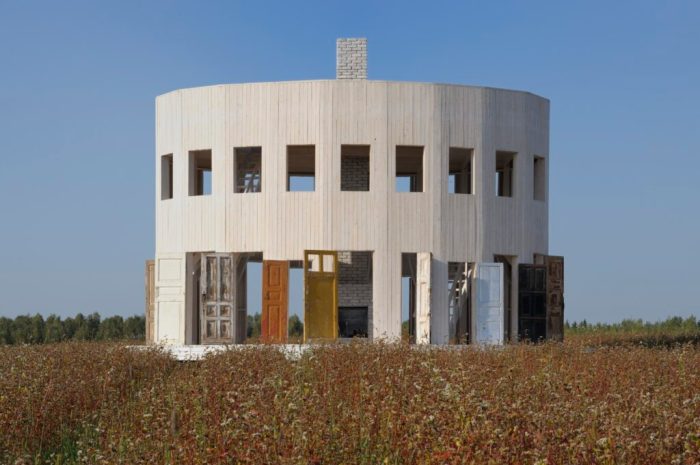
As we conclude this enlightening discussion on Young Architects: Learning from Alexander Brodsky’s Methods, it becomes evident that embracing creativity, sustainability, and unconventionality are key pillars in shaping the future of architectural design. Let the legacy of Alexander Brodsky inspire a new generation of architects to push boundaries and redefine the essence of architectural innovation.
FAQ Summary
How can young architects benefit from studying Alexander Brodsky's methods?
Young architects can gain fresh perspectives, innovative techniques, and a deeper understanding of unconventional design approaches by studying Alexander Brodsky's methods.
What sets Alexander Brodsky's architectural methods apart from traditional practices?
Alexander Brodsky's methods focus on creativity, unconventionality, and sustainability, diverging from conventional architectural norms.
How does sustainability play a role in Alexander Brodsky's architectural designs?
Alexander Brodsky integrates sustainability and environmental consciousness into his designs, paving the way for eco-friendly architectural practices.






![[16469] Low Energy Building Design - ppt download](https://hosting.pojoksatu.id/wp-content/uploads/2025/10/Chapter-6-Doors-and-Windows-pdf-44-2048-120x86.jpg)